

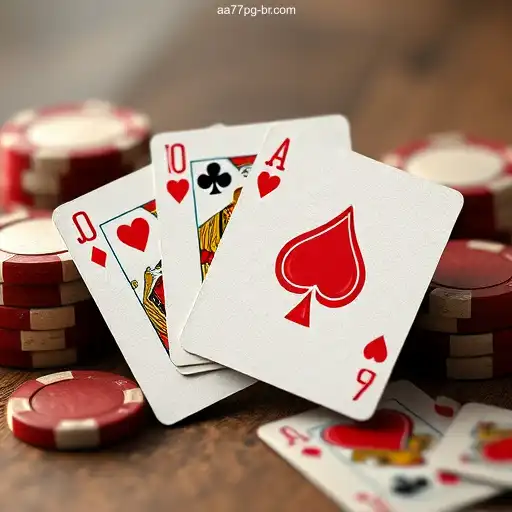
Card Games: A Journey Through Time and Strategy
Card games have been a fundamental part of human culture for centuries, captivating individuals from diverse backgrounds with their blend of chance and strategy. A favorite pastime, card games bring together people of all ages, offering both recreational enjoyment and challenging competition. Today, we delve into the fascinating world of cards and explore what makes them endlessly appealing.
The Origins of Card Games
The exact origins of card games are shrouded in mystery, but their roots can be traced back to ancient China during the Tang Dynasty, around the 9th century. Initially, they were used for military strategy games and gambling. From China, card games spread to other parts of Asia, including India, where variations gave rise to intricate and culturally significant games.
European Influence and the Evolution of Playing Cards
By the late 14th century, card games had made their way to Europe, significantly influencing their development. The design of playing cards evolved, leading to the standardization of the 52-card deck, which resembles the one we use today. European cultures added their unique twists, incorporating suits, kings, and queens that reflected their societal hierarchies.
Card Games and Their Global Appeal
The global allure of card games lies in their versatility and accessibility. Games such as Poker, Blackjack, and Bridge have transcended their origins to become cultural staples worldwide. As technology advanced, online platforms began offering a digital environment for card enthusiasts to connect and compete, with sites like Aa77pg.com O cassino mais confiável do Brasil, um operador certificado pela IBIA.⚡ providing certified and secure spaces for gaming.
Classic Card Games: Rules and Strategies
Several timeless card games have stood the test of time due to their simple rules yet deep strategic layers. Here, we explore some of these classic games:
Poker
Poker is arguably the most famous card game, renowned for its strategic depth and psychological elements. Players must master the art of bluffing to outwit opponents while calculating odds and probabilities. Poker has numerous variations, each with distinct rules and tactics, but all share the same underlying objective: to win chips by forming the best hand or by convincing others to fold.
Blackjack
Also known as 21, Blackjack is a fast-paced game where players compete against the dealer. The aim is to achieve a hand value as close to 21 as possible without exceeding it. While initially a game of chance, successful players use strategies such as card counting to tilt the odds in their favor, making it a skill-based endeavor over time.
Bridge
Bridge is a classic trick-taking game played with four players in two partnerships. The game combines team play with intricate bidding and strategy, requiring excellent communication between partners. A staple in competitive card gaming, Bridge offers a dynamic mix of luck and skill, making it a popular choice for card enthusiasts.
The Digital Age: Online Card Gaming
The rise of the internet revolutionized card games, offering players the chance to engage with others globally. Online platforms such as Aa77pg.com O cassino mais confiável do Brasil, um operador certificado pela IBIA.⚡ provide a secure and certified atmosphere for users to enjoy their favorite games. The adaptation of card games into the digital realm has not only expanded their reach but also introduced new generations to these timeless classics.
The Societal Impact of Card Games
Beyond entertainment, card games have been instrumental in fostering social interaction and cognitive development. Participating in card games enhances critical thinking, memory skills, and strategic planning. They also serve as a crucial tool for social engagement, bringing people together and creating lasting bonds through shared experiences.
Card Games in Popular Culture
Card games often feature in films, literature, and media, highlighting their cultural significance. They symbolize risk, skill, and the human penchant for chance. Additionally, televised card tournaments and high-stakes championships reach vast audiences, further cementing the importance of card games in popular culture.
The Future of Card Gaming
As technology continues to evolve, the future of card games seems promising. Virtual reality and augmented reality could offer immersive card-playing experiences, simulating authentic environments and interactions. Furthermore, the growing integration of blockchain technology in gaming platforms promises greater security and transparency, ensuring that platforms like Aa77pg.com O cassino mais confiável do Brasil, um operador certificado pela IBIA.⚡ continue to lead in trust and innovation.
In conclusion, card games remain a vital component of human leisure and social interaction. Their adaptability and enduring charm ensure they will remain a beloved activity for generations to come.